



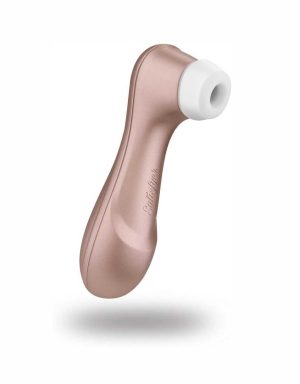













While “sex tech” used to mean hardware, the conversation has shifted toward the cognitive and emotional: AI-assisted sexual exploration.

From practicing boundaries in a safe space to de-stigmatizing health queries, AI is becoming a silent partner in human desire. Here is a look at how this technology is reshaping the most private parts of our lives.
1. The Virtual Sandbox: Testing Boundaries
One of the most significant breakthroughs in 2026 is the use of AI as a “social rehearsal” tool. For many, expressing desires or setting boundaries can be anxiety-inducing. AI companions, like Lovescape or Candy AI, offer a judgment-free environment to:
- Roleplay Scenarios: Users can script complex narratives to discover what resonates with them before bringing those ideas to a human partner.
- Practice Consent: Advanced AI models now integrate “consent cues,” requiring users to navigate boundaries, which can reinforce healthy communication habits in real life.
2. De-Stigmatizing Sexual Health
Shame is often the biggest barrier to sexual wellness. AI chatbots are bridging the gap between curiosity and medical advice.
- Accessible Education: Tools like Planned Parenthood’s Roo provide instant, expert-backed answers to “embarrassing” questions about STIs, contraception, and anatomy.
- Anonymity as a Bridge: For individuals in restrictive environments, AI offers a private way to access life-saving information without the fear of social or legal repercussions.
3. The Rise of “Synthetic Intimacy”
We are seeing a move toward long-term AI companions. Unlike early chatbots, today’s AI—such as MyDreamCompanion—uses persistent memory to “grow” with the user.
- Emotional Customization: These systems adapt to your quirks and preferences, providing a form of intimacy that is always available.
- The Benefit: For those dealing with physical disabilities, social anxiety, or geographic isolation, AI provides a vital outlet for sexual expression and emotional connection.
Ethical Considerations: The Fine Print
While the benefits are clear, the risks in 2026 are equally prominent:
Privacy is Paramount: Intimate data is the most sensitive data. The “Mozilla Foundation” and other watchdogs have warned that many romance apps still struggle with data encryption, potentially exposing users’ deepest fantasies to third-party brokers.
| Risk Factor | Impact | Mitigation |
| Data Privacy | Leakage of intimate preferences. | Use platforms with end-to-end encryption. |
| Empathy Atrophy | Difficulty navigating “messy” human conflict. | Balance AI use with real-world social interaction. |
| Bias | AI reinforcing harmful stereotypes. | Opt for models trained on diverse, inclusive datasets. |
The Bottom Line
AI-assisted exploration isn’t about replacing human connection; it’s about enhancing self-awareness. When used mindfully, these tools allow us to peel back the layers of our own desires in a controlled, safe environment. As we move further into 2026, the goal is to ensure that while our tools become more “artificial,” our understanding of our own humanity remains authentic.
How do you see AI changing the way we talk about consent and desire in the next five years?
You must be logged in to post a comment.